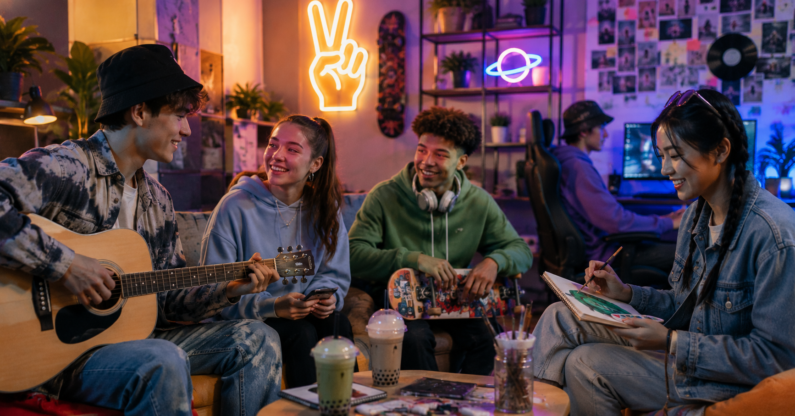
Youth culture has always reflected the values, interests, and ambitions of the younger generation. However, in 2026, it is evolving at an even faster pace due to technological innovation, changing social priorities, and a stronger desire for authenticity. Young people are no longer simply following trends; they are actively shaping conversations, influencing industries, and redefining what it means to connect with the world around them.
From artificial intelligence and digital creativity to sustainable living and mental wellbeing, the interests of today’s youth extend far beyond entertainment. They seek meaningful experiences, inclusive communities, and opportunities to express their individuality. These shifts are influencing fashion, education, careers, technology, and even consumer behaviour across the globe.
Understanding youth culture trends in 2026 provides valuable insight into how the next generation thinks, communicates, and makes decisions. Whether you are a parent, educator, marketer, entrepreneur, or simply curious about emerging social changes, recognising these developments can help you stay informed and adapt to an increasingly connected world.
Why Youth Culture Trends in 2026 Matter
Youth culture has become one of the strongest forces influencing global society. Young people are early adopters of new technologies, digital platforms, and creative ideas that often become mainstream within a short period. Their preferences shape industries ranging from fashion and entertainment to business and education.
The growing influence of youth culture trends in 2026 is also changing how organisations communicate with younger audiences. Brands, educational institutions, and employers are placing greater emphasis on transparency, creativity, and social responsibility because these qualities resonate strongly with modern youth. Understanding these cultural shifts is no longer optional; it has become essential for anyone hoping to remain relevant in a rapidly evolving world.
A Generation Driven by Purpose
Unlike previous generations, many young people now prioritise purpose alongside personal success. They are increasingly interested in supporting businesses, creators, and organisations that reflect their values. Environmental responsibility, ethical practices, diversity, and community engagement often influence purchasing decisions just as much as price or convenience.
This growing focus on meaningful action has encouraged companies to become more socially responsible while inspiring individuals to use their voices to promote positive change.
Technology Shapes Everyday Experiences

Technology continues to influence nearly every aspect of daily life. Smartphones, artificial intelligence, virtual collaboration, and personalised digital experiences have become normal rather than exceptional. Young people expect technology to simplify tasks while allowing greater creativity and freedom of expression.
As digital innovation advances, youth culture trends in 2026 continue to demonstrate how technology and human interaction are becoming increasingly connected.
Digital Creativity and Online Communities
The internet has evolved from being a place to consume content into a space where anyone can become a creator. Young people are embracing digital platforms to showcase talents, share opinions, and build communities around shared interests.
Rather than simply following popular influencers, many young creators are developing their own audiences through originality and consistent engagement. Authentic storytelling often receives greater appreciation than heavily polished content, encouraging more honest communication across digital platforms.
The Rise of AI-Assisted Creativity
Artificial intelligence has become an everyday creative partner rather than a replacement for human imagination. Young creators use AI tools to generate ideas, improve productivity, edit images, produce videos, and enhance written content while maintaining their own creative direction.
This balance between technology and originality allows individuals to experiment with new forms of expression without losing their unique identity. Instead of replacing creativity, AI is expanding the possibilities available to artists, writers, designers, and entrepreneurs.
Smaller Communities Build Stronger Connections
While large social media platforms remain popular, many young people are moving towards smaller online communities where conversations feel more genuine. These digital spaces encourage meaningful discussions, shared interests, and supportive relationships rather than focusing entirely on popularity or follower counts.
Communities centred around hobbies, education, professional growth, gaming, fitness, and creative collaboration continue to grow because they provide a stronger sense of belonging.
Digital Identity Continues to Evolve
Personal identity is no longer limited to offline experiences. Young people carefully shape their digital presence through content creation, personal branding, and participation in online communities. Rather than presenting a perfect image, many now prefer authenticity and transparency.
This shift reflects broader youth culture trends in 2026, where honesty, creativity, and individuality are valued more highly than unrealistic standards. Digital identity has become an extension of personal values rather than simply an online profile.
Changing Values and Modern Lifestyles
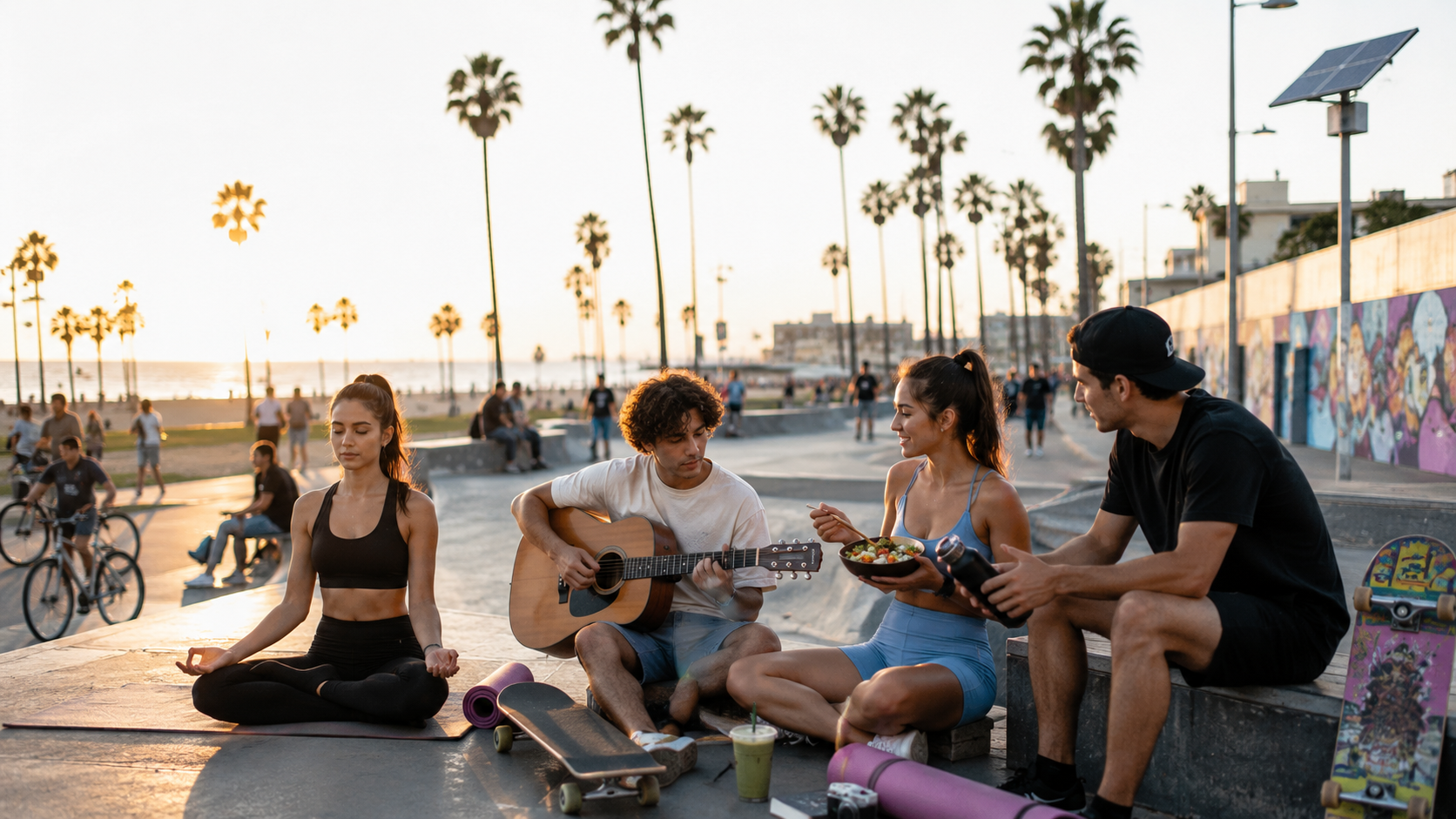
Youth culture is not only changing online behaviour but also influencing everyday lifestyle choices. Modern young adults are placing greater emphasis on balance, wellbeing, and personal growth while challenging traditional expectations about success and achievement.
Mental Wellbeing Takes Priority
Mental wellbeing has become an important part of daily conversations among young people. There is increasing awareness about maintaining healthy routines, managing stress, and seeking professional support when necessary. Open discussions surrounding emotional health have helped reduce stigma while encouraging individuals to prioritise self-care.
This growing awareness has influenced schools, workplaces, and digital platforms to provide more supportive environments for younger generations.
Sustainability Influences Daily Decisions
Environmental awareness continues to shape consumer habits and lifestyle preferences. Many young people actively support sustainable products, second-hand fashion, recycling initiatives, and businesses that demonstrate environmental responsibility.
Rather than viewing sustainability as a temporary movement, they increasingly see it as a long-term commitment that reflects their personal values. This mindset continues to influence purchasing behaviour and encourages companies to adopt more responsible business practices.
The Future of Youth Innovation
The future belongs to a generation that embraces continuous learning and adapts quickly to change. Young people are developing new skills through online education, collaborative projects, and practical experiences that prepare them for careers that may not have existed only a few years ago. This willingness to learn and experiment continues to shape youth culture trends in 2026 across education, employment, and entrepreneurship.
Lifelong Learning Becomes the New Standard
Traditional education remains valuable, but many young adults are expanding their knowledge through digital courses, workshops, and self-directed learning. The ability to acquire new skills quickly has become an advantage in an increasingly competitive world.
This flexible approach encourages curiosity and prepares individuals for industries that evolve alongside technology. Employers also recognise the importance of adaptability, making continuous learning a highly desirable quality.
Entrepreneurship Gains New Momentum
More young people are choosing entrepreneurship as a career path because digital platforms have reduced many traditional barriers to entry. Whether launching an online store, offering freelance services, or building a personal brand, young entrepreneurs are using technology to reach global audiences.
The entrepreneurial mindset reflects broader youth culture trends in 2026, where independence, creativity, and innovation are valued alongside financial success. Many young business owners are motivated by the opportunity to solve real-world problems while creating sustainable careers.
Collaboration Over Competition
One noticeable shift among younger generations is the preference for collaboration rather than constant competition. Creative partnerships, online communities, and knowledge sharing have become common across many industries.
Instead of viewing others solely as competitors, many young professionals recognise that collaboration often produces stronger ideas and better outcomes. This cooperative mindset supports innovation while creating opportunities for shared growth.
Looking Ahead
The cultural landscape will continue evolving as technology advances and social expectations change. Young people are likely to remain at the centre of these developments, influencing how societies communicate, consume information, and solve emerging challenges.
Experts believe youth culture trends in 2026 will continue to inspire innovation in education, digital media, fashion, entertainment, sustainability, and workplace culture. Their influence extends beyond age groups, encouraging organisations and communities to become more inclusive, creative, and adaptable.
The Role of Authentic Leadership
Leadership among younger generations increasingly focuses on empathy, transparency, and collaboration. Rather than relying solely on authority, many young leaders aim to inspire through actions and shared values.
This leadership style encourages stronger relationships, open communication, and greater trust within communities, educational institutions, and workplaces.
A Culture Built on Creativity
Creativity remains one of the defining characteristics of modern youth culture. Whether expressed through digital content, art, music, technology, or entrepreneurship, creative thinking enables young people to find original solutions to modern challenges.
As innovation continues to accelerate, demonstrate that creativity is becoming an essential skill rather than simply a personal talent.
Conclusion
Youth culture continues to influence the direction of society in meaningful and lasting ways. From digital creativity and technological innovation to sustainability and mental wellbeing, today’s younger generation is redefining traditional ideas while embracing new opportunities.
Understanding youth culture trends in 2026 helps individuals, businesses, educators, and communities appreciate the priorities shaping tomorrow’s world. These cultural shifts reflect a generation that values authenticity, continuous learning, collaboration, and positive social impact.
As the future unfolds, will continue influencing industries, communities, and everyday life. Those who remain open to learning from these evolving perspectives will be better prepared to connect with the next generation and adapt to an ever-changing global landscape.
Frequently Asked Questions (FAQs)
Why is youth culture constantly changing?
Youth culture evolves because technology, social values, education, entertainment, and global events continuously influence how young people communicate, learn, and express themselves.
How does social media influence young people?
Social media provides opportunities for creativity, networking, learning, and community building. It also shapes opinions, purchasing behaviour, and communication styles through constant digital interaction.
Why is sustainability important to younger generations?
Many young people recognise the long-term impact of environmental issues and prefer supporting responsible lifestyles and organisations that prioritise ethical and sustainable practices.
What role does artificial intelligence play in modern youth culture?
Artificial intelligence supports creativity, education, productivity, and digital innovation by helping young people complete tasks more efficiently while exploring new ideas.
How can businesses connect with younger audiences?
Businesses should focus on authenticity, transparency, meaningful engagement, and valuable content while understanding the changing interests and expectations of younger consumers.